
Become a sponsor

Why sponsorship matters
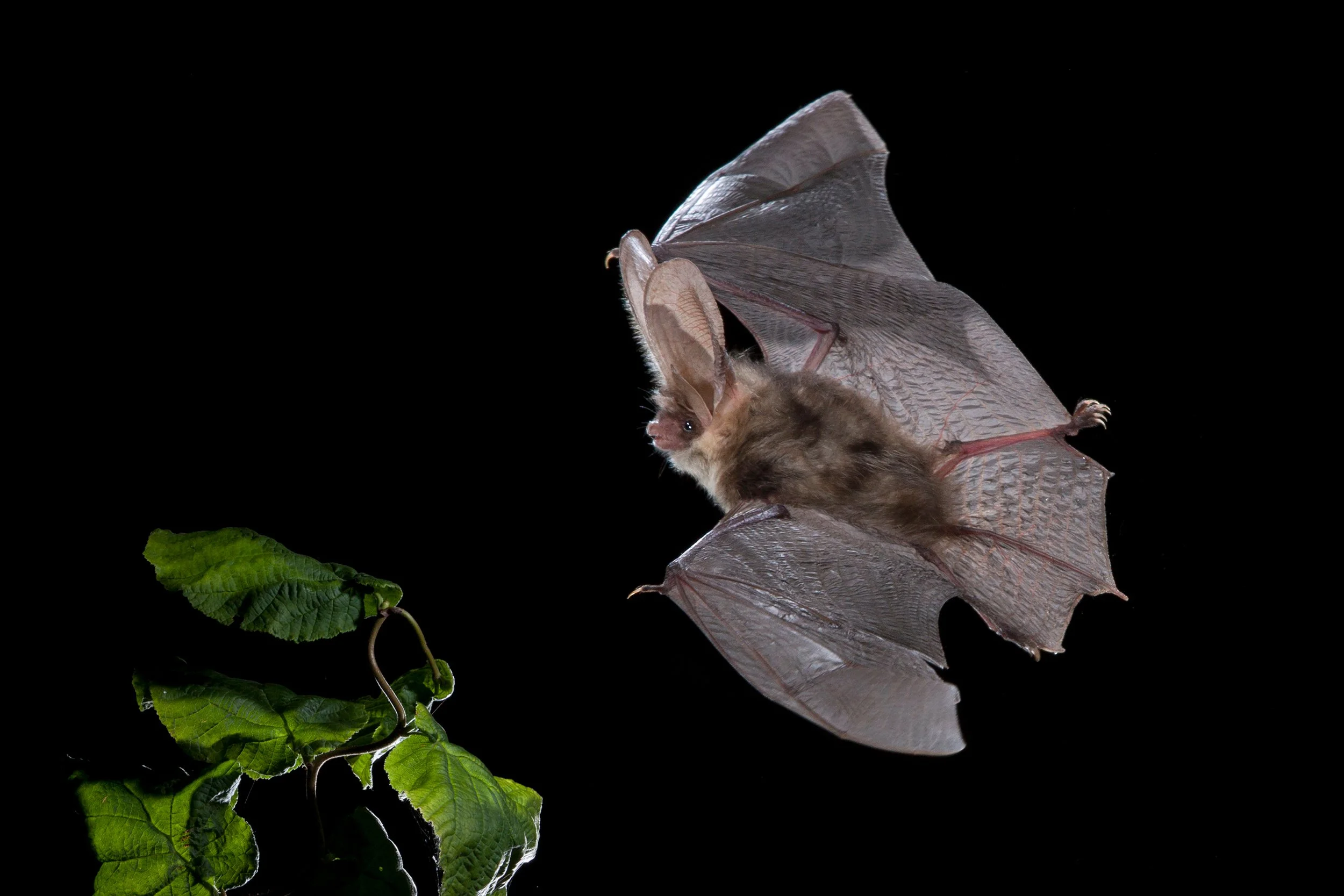
Aotearoa’s bats are rare, unique, and essential to healthy ecosystems, yet they remain among our least understood native species. The Bat Co. Lab is changing that through the National Bat Survey and Pekapeka Patrol, bringing together ecologists, schools, community groups, and sponsors to build a better understanding of bat populations across New Zealand. Sponsorship helps fund acoustic monitoring equipment, data processing technology, and educational resources that enable large-scale conservation, citizen science, and hands-on learning opportunities. By partnering with us, sponsors play a direct role in protecting native biodiversity while supporting community connection, environmental education, and meaningful conservation outcomes.
Did you know?
40-60%
of New Zealand’s bat population has declined in areas without active management
3 main
populations
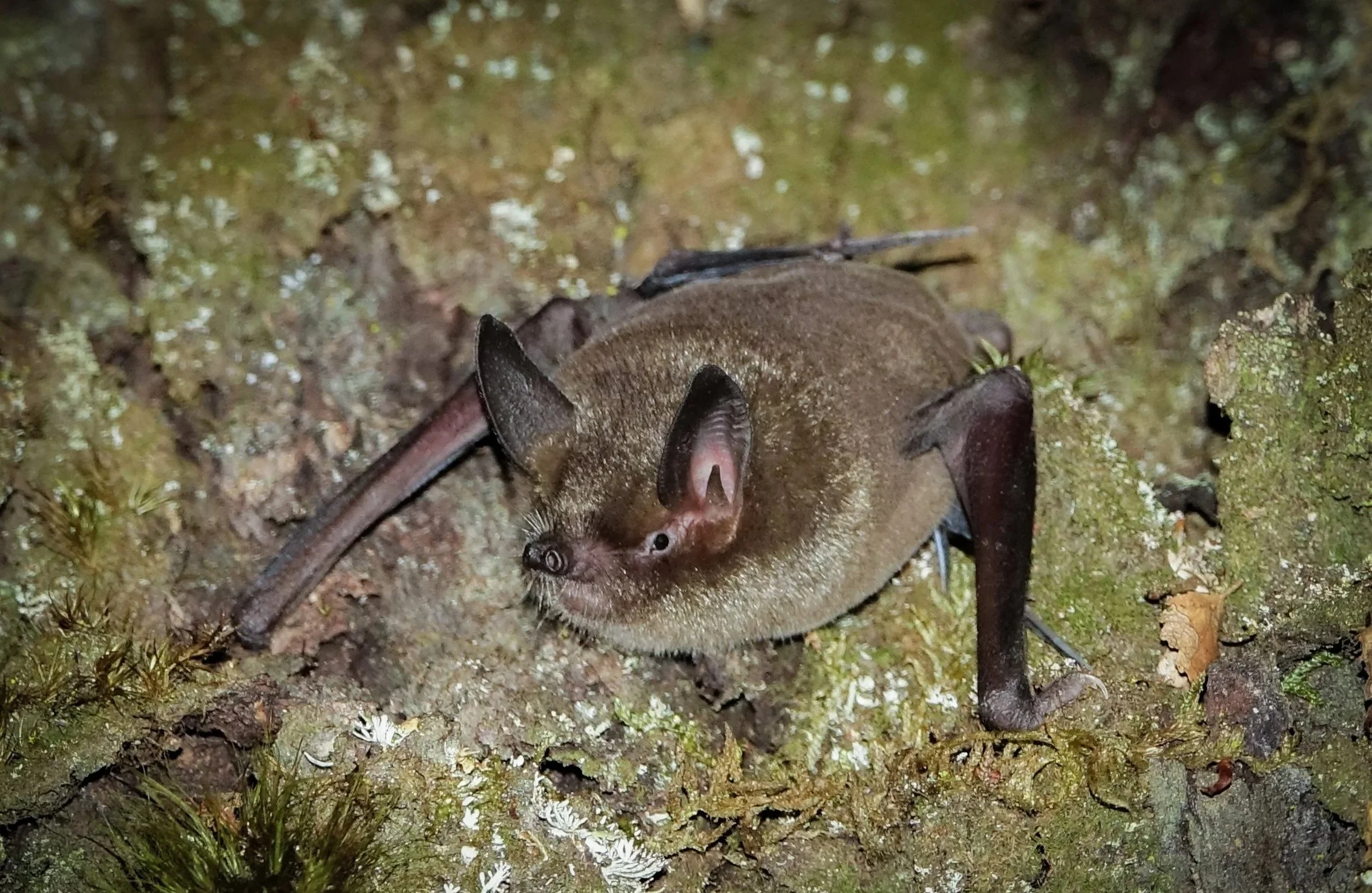
of the lesser short-tailed bat exist across the whole of New Zealand, meaning they are greatly range restricted
50 years
is the estimated time for local bat populations to disappear completely
without action
The importance of pekapeka in New Zealand
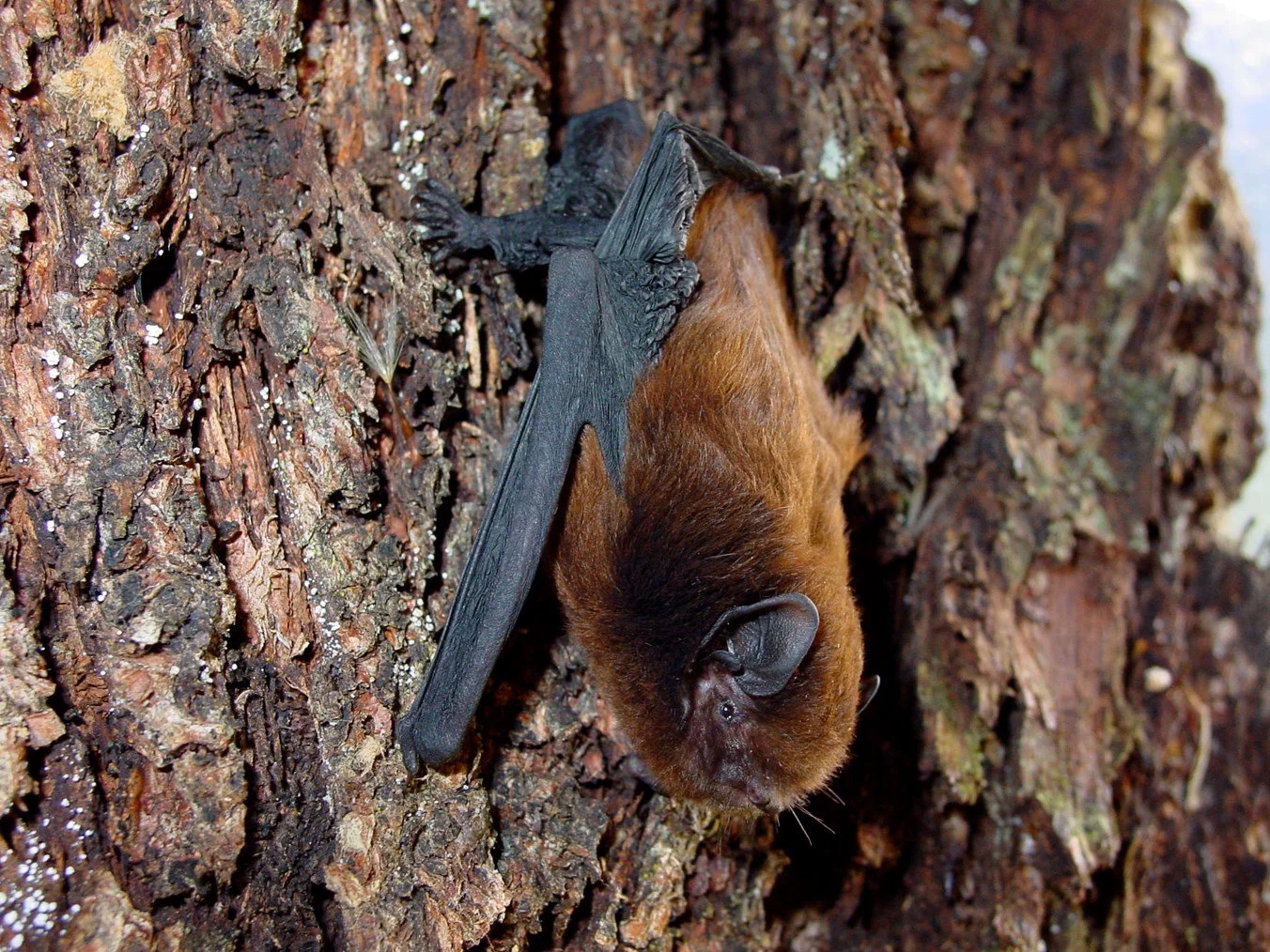
New Zealand’s long-tailed and short-tailed bats are our only native land mammals. Unique to Aotearoa and recognised as taonga species, pekapeka have lived here for millions of years, yet today they face the real threat of extinction. Culturally, pekapeka are woven into mātauranga Māori as guardians of the night. Protecting them is an act of kaitiakitanga, honouring both our biodiversity and cultural heritage. They also provide essential ecological services: they control insect populations, pollinate plants, and act as indicators of ecosystem health. Healthy bat populations signal thriving forests and functioning ecosystems, whilst their decline warns us of environmental pressures such as habitat loss, invasive predators and climate change. Despite their critical role, pekapeka remain understudied and under-protected, with limited conservation resources to ensure their survival. Without action, we risk losing species that are biologically unique and essential to the balance of New Zealand’s precious ecosystems.