Echoes Around Te Mata
HAWKE’S BAY | LAUNCHED 1ST OCTOBER 2025
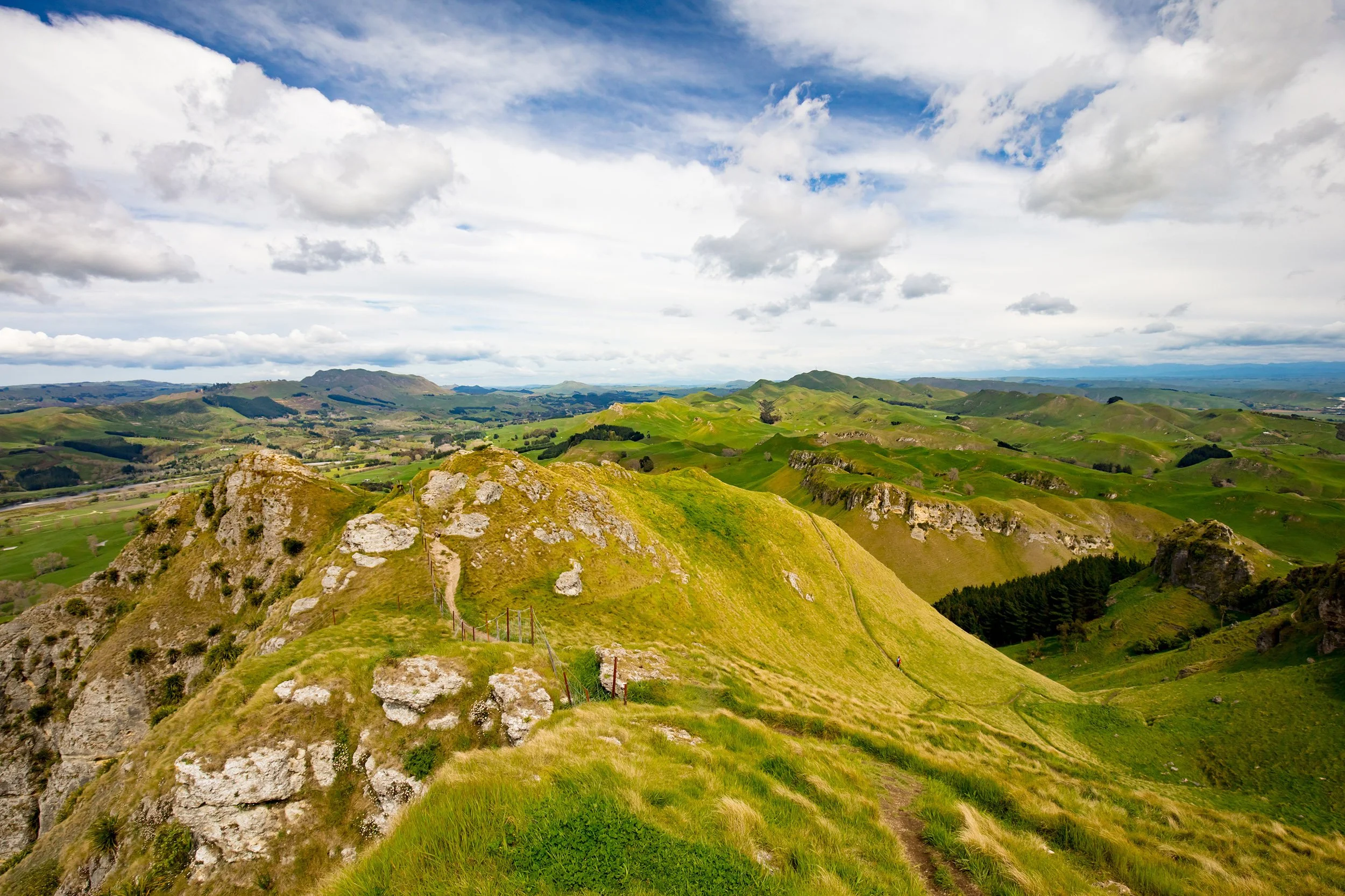
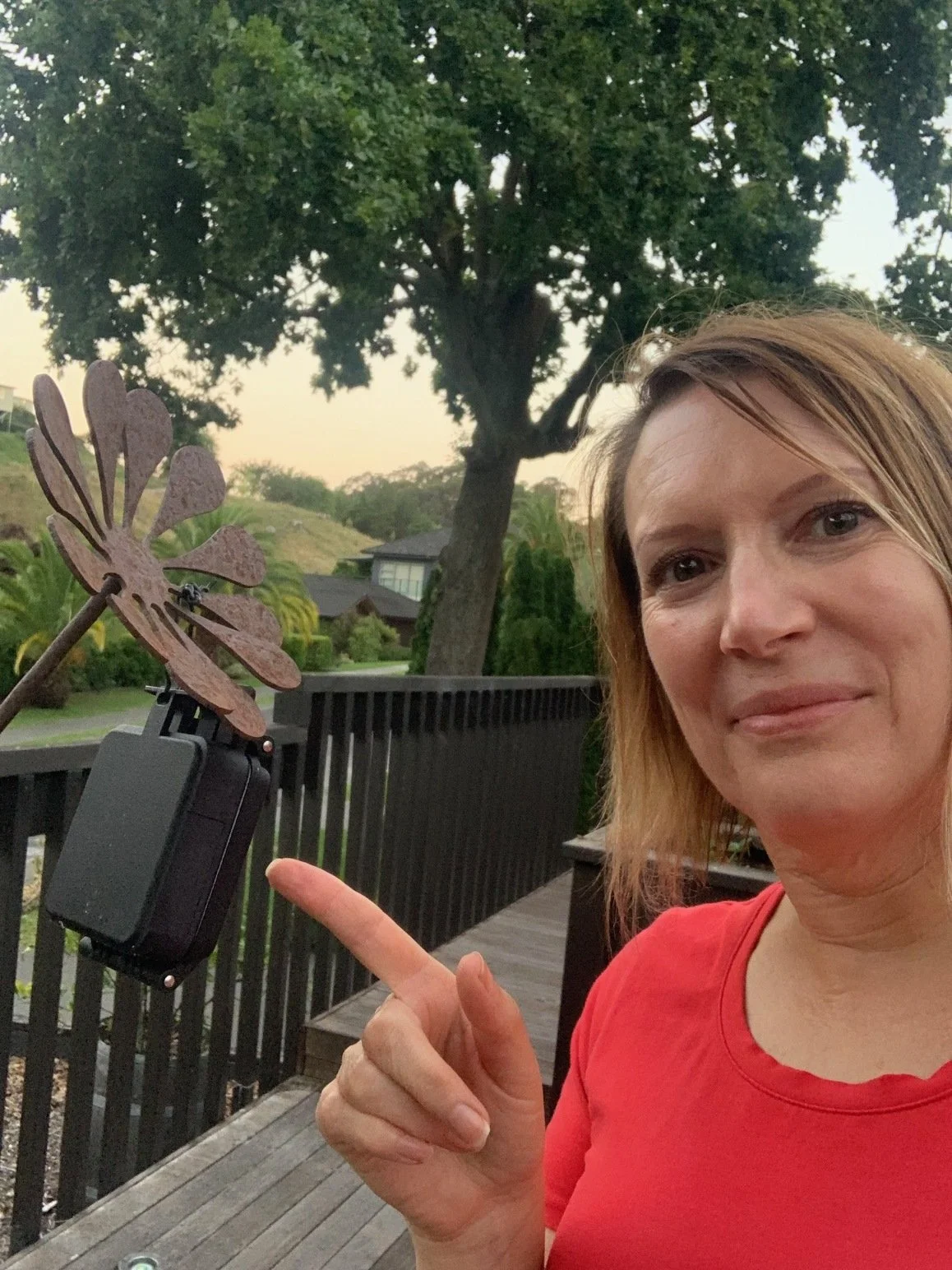
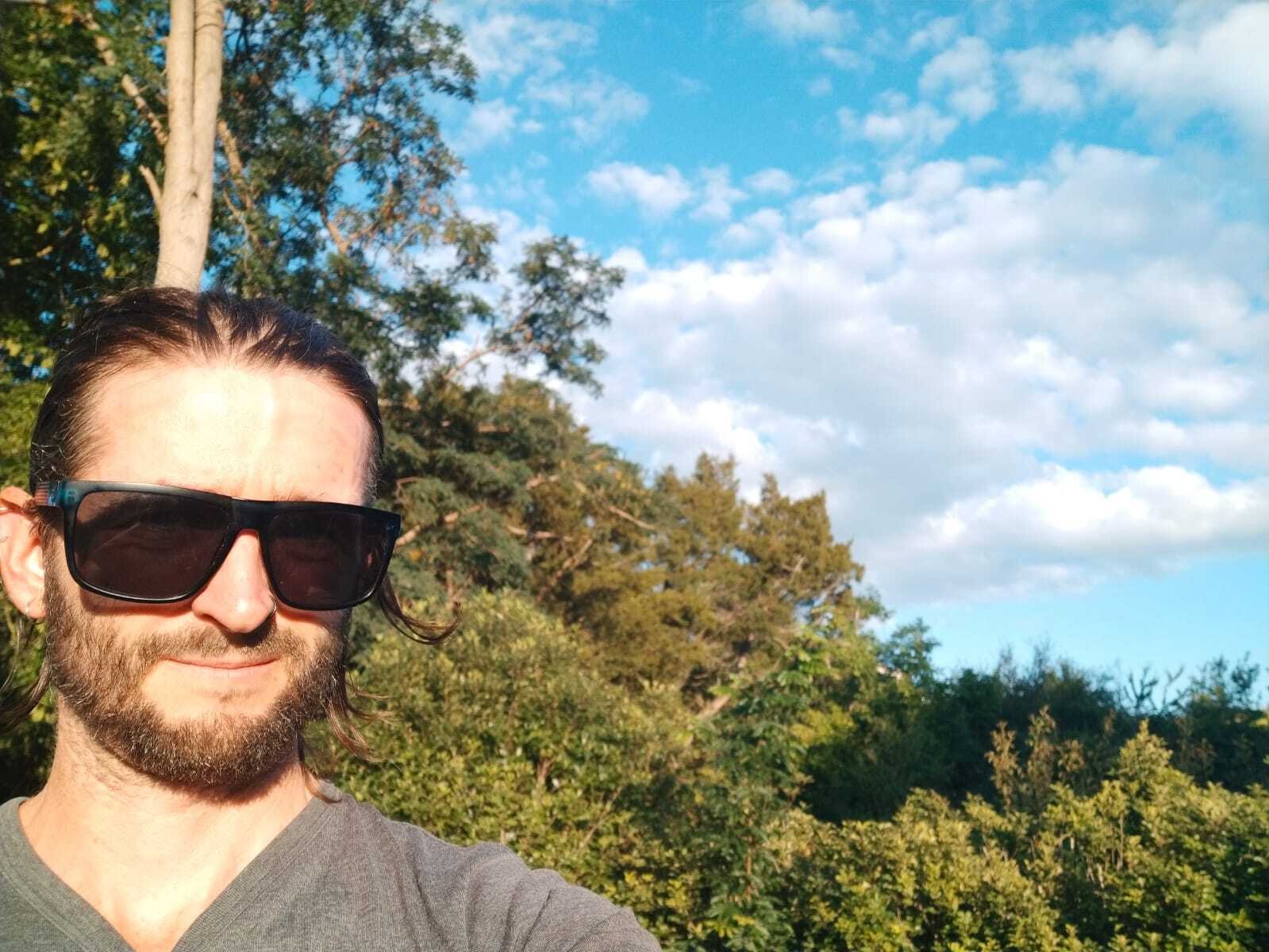
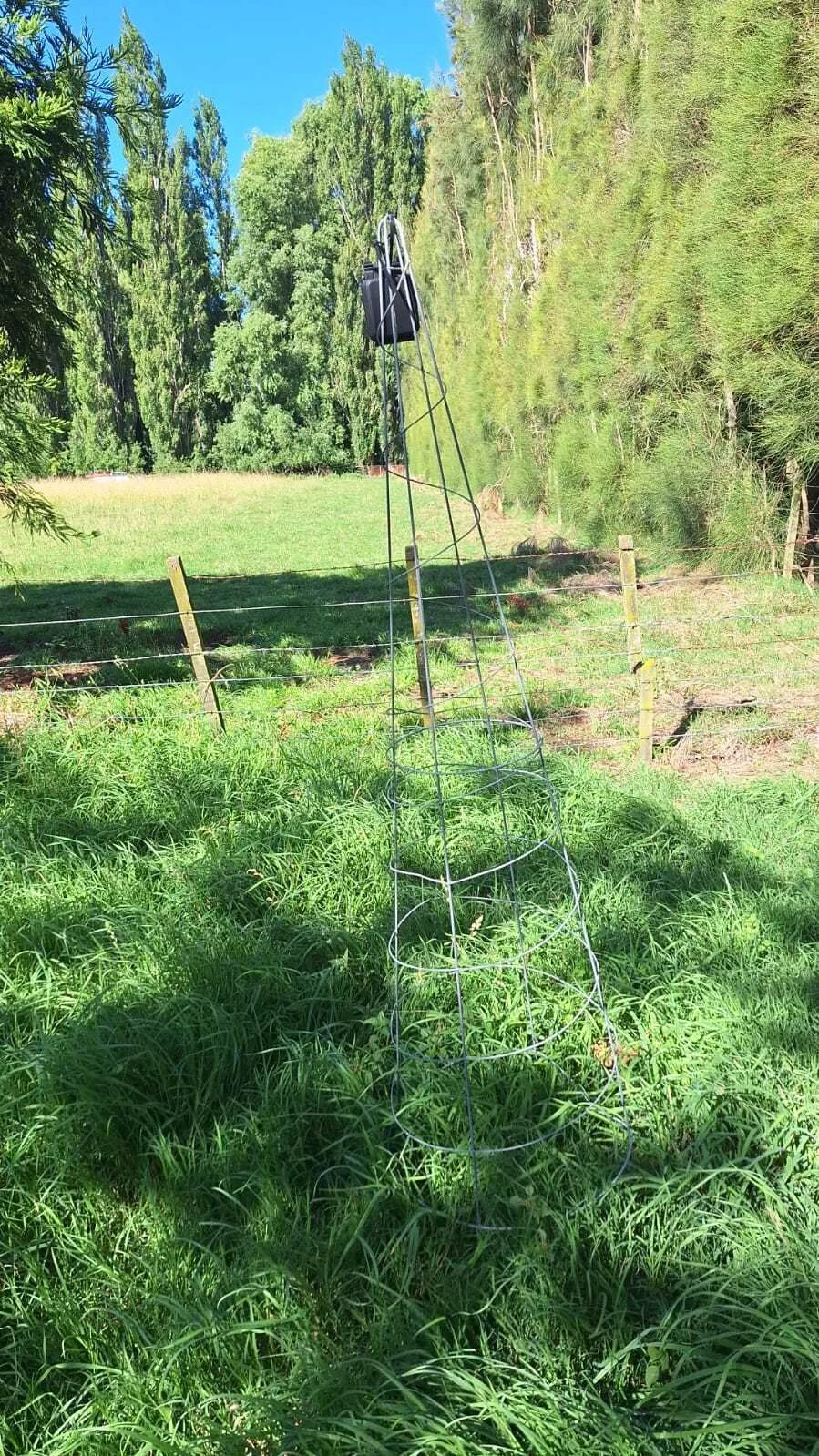
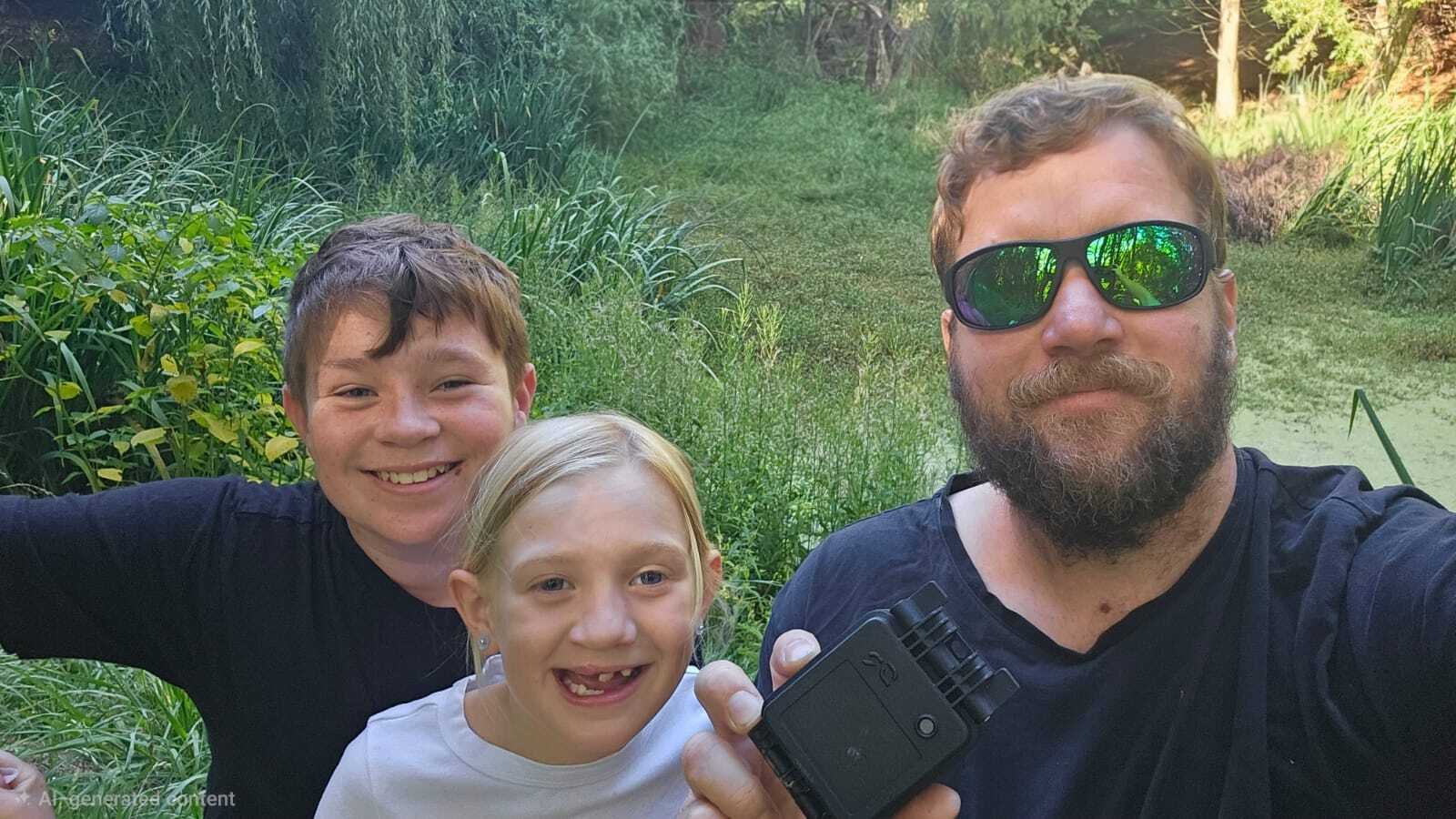
This is the largest citizen science project of its type in NZ, spanning 25 kilometres around Te Mata Peak and welcoming participants from school children to retirees and professional ecologists alike. It's deliberately open, designed to build a community around the work rather than gatekeep it. As a large-scale, citizen-science-led effort, the data it gathers feeds directly into more in-depth specialist projects, turning broad landscape coverage into targeted research. The overarching aim is to channel high-resolution local data into a national database, made possible by our automated data processing (otherwise known as “The Bat Pack”), and to show what's possible anywhere in the country (or the world) for anyone who wants to replicate what's been built here in Hawke's Bay.
Echoes Around Te Mata is one of our Pekapeka Patrol monitoring projects, following a clear, step-by-step approach to building a better understanding of local bat populations.
We begin by Establishing whether bats are present and which species are using the area. From there, we work to Understand where and when bats are active, before moving into Act & Innovate, using what we learn to inform practical action on the ground. We then Build Capacity by sharing knowledge and insights, while continuing to Monitor over time to track activity and change.
This page follows the project as the work unfolds, sharing our objectives, field notes, maps and emerging insights. Right now, we're in Phase 1: Establish. Follow along as we begin to uncover what's happening around Te Mata Peak, or get in touch if you're in the project area (within 25km of the Peak) and would like to get involved.
Are bats here?
Which bats?

What are they doing?
Where?
Objectives
Each project delivers to ten key objectives. To see an overview of objective steps, .
Phase & trigger
Phase 1, in progress. Currently 18 of a planned 50 detectors deployed, rotating across sites. Winter data to be analysed. To see an overview of project phases, .
Site
Echoes Around Te Mata (25km): 1,963.5 km² (196,350 ha), 50 km across. Open to volunteers — get in touch to get involved.
Deliverables & success criteria
Acoustic survey phase 1 findings report. To see the full breakdown by objective, .
| Activity | Description/frequency |
|---|---|
| Detector deployment | Scales progressively through each survey phase — from initial small-scale deployment (Obj 1) to broader coverage (Obj 2, 3 & 5). No live figures used. |
| Field visits | Install / service (SD swap) / retrieval — approx. monthly. |
| Data processing | The Bat Pack, with manual verification. |
| Analysis | Manual analysis to understand site use and identify hotspots. |
| Reporting | Ongoing website content, plus a formal annual report after the season (e.g. August). Includes cross-site comparison where relevant. |
| Trialling innovative techniques New |
Trials of new conservation actions/survey methods as introduced — reported annually. |
| Threat ID & conservation recs New |
Annual review of threats present, feeding conservation recommendations. |
| Landowner/partner liaison | Monthly, tied to the detector check visit — short text or video update. |
| Education & awareness | Shared content and resources — weekly. |
DOC Bat Recovery Plan – objective alignment
The 1995 DOC Bat (Pekapeka) Recovery Plan sets out five national objectives guiding bat conservation in Aotearoa. Mohi Bush directly contributes to four of these.
- Research. Our ongoing survey and monitoring work builds the evidence base needed for effective bat management.
- Status evaluation. Establishing presence, species, and distribution data contributes to national understanding.
- Protection and monitoring. Long-term monitoring supports population tracking across the species' range.
- Public awareness. Sharing this project's progress helps build public involvement in bat conservation.
The Plan's remaining objective concerns island-based short-tailed bat translocation, outside the scope of this mainland monitoring project.
Read recovery planProject objectives
Objectives 4–7 are greyed out as they don’t apply to citizen science projects like Echoes Around Te Mata.
| # | Objective |
|---|---|
| 1 | Establish presence and species (via acoustic survey) |
| 2 | Refine understanding of activity/distribution across the project area (ongoing survey — may reveal additional species) |
| 3 | Identify hotspots (foraging/commuting/roosting) and seasonality of activity/distribution |
| 4 | Identify threats and recommend conservation actions, based on findings from Objectives 1–3 |
| 5 | Establish a long-term monitoring site — track activity over time as a proxy for colony health and a wider indicator |
| 6 | Trial and develop innovative conservation and survey techniques (e.g. roost boxes, refined methods) |
| 7 | Cross-site comparison and standardised reporting, using a consistent graphical template — also an educational resource for other ecologists |
| 8 | Raise awareness and build community engagement — social media, blog, video sharing the project journey (runs from Phase 1, continuously) |
| 9 | Landowner and community relationship-building (runs from Phase 1, continuously) |
| 10 | Capacity building and training, delivered online — matures once there's real project substance to teach from |
Project phases
Swipe left to read←
| # | Phase | Description | Objectives introduced | Objectives continuing |
|---|---|---|---|---|
| 1 | Establish | Confirm presence, species, initial activity | 1, 8, 9 | — |
| 2 | Understand | Full picture of distribution, hotspots, seasonality, cross-site comparison | 2, 3 | 8, 9 |
| 3 | Act & Innovate | Recommend/trial conservation actions and techniques | — | 8, 9 |
| 4 | Build Capacity | Training content matures now there's substance to teach from | 10 | 8, 9 |
| 5 | Monitor | Long-term monitoring established and ongoing | — | 8, 9, 10 |
Deliverables & success criteria
Swipe left to read←
| Objective | Deliverable(s) | Success Criteria |
|---|---|---|
| 1. Presence & species | Brief report + map, downloadable/shareable, branded | Survey completed; species confirmed present (or absence established with confidence) |
| 2. Activity & distribution | Per-survey report + maps, shown consistently (Survey 1, 2, Cumulative) | Sufficient coverage achieved to characterise activity patterns |
| 3. Hotspots & seasonality | Hotspot map + seasonal comparison maps | Key hotspots identified; seasonal variation documented |
| 4. Threats & recommendations | Recommendations report/section | Actionable, evidence-based recommendations from Objectives 1–3 |
| 5. Long-term monitoring | Permanent site established (e.g. SM5), sited at a hotspot; feeds Obj 7 | Site operational, collecting data on an ongoing (e.g. annual) basis |
| 6. Trial techniques | Brief paper/blog + video/social content | Trial completed and documented with clear findings |
| 7. Cross-site comparison | Comparative analysis using a standardised graphical template | Comparison completed with ≥1 other site, using the template |
| 8. Awareness & engagement | Active social presence; direct public/volunteer engagement | Channels active, regularly producing content; genuine engagement |
| 9. Landowner relationships | (relationship-based) | Landowners hosting the monitoring site are on board and supportive |
| 10. Capacity building | Online training content (video, blog, social) | Training material published on the website |
Field Notes
A running diary from the field — updated whenever there's something worth logging from a site visit, detector check or survey.
Scroll to see more entries
Field Observations
5 Sep 2026
Out with Anna — batteries and four more boxes
Brilliant day back at Rowe Bush with landowner Anna, who showed me around and was happy to talk all things bats and bat roosts. We changed the batteries on the Site 1 detector (long-term monitoring site) and set out four more units — the aim of these is to follow up on social call recordings in the hope of finding a roosting area. Five detectors now ticking away at Rowe. Great company, great conversation, and a fun day in the bush.
7 Aug 2026
Huge retrieve day — thank goodness for the ATV
All the detectors came home from Sites 3–33 — 31 units in one go. Massive thanks to the landowner for lending me their ATV; without it, walking and lugging that many detectors would have been a much longer day. Same day I moved a unit onto Site 1 for longer-term monitoring. I was buzzing to get the cards into the lab — already the beginnings of a pattern emerging across the grid. The stock pond appeared to be the centre of activity.
4 Jul 2026
Grid survey — detectors every ~100 m
Went to extreme measures for a very high-resolution look at this piece of bush: 31 detectors across Sites 3–33, set roughly every 100 metres in a grid. That is well above and beyond what a typical consultancy survey would deploy here — but if we want the fine grain of where bats are actually using the bush, this is how I think you’d do it. Can we really find roosting areas with acoustics alone?
20 Jan 2026
Detectors retrieved — Sites 1–2
Beautiful summer day to pull the initial prospecting detectors back in. Cards and units home for lab review — and that nervous excitement of still not knowing whether this unknown bit of bush would talk to us at all. Were there even bats here?
7 Jan 2026
Prospecting trip
Summertime and gorgeous. I knew almost nothing about Rowe Bush yet, so this was a true prospecting trip: two detectors out to see if bats were even here. One by the pond — foraging over water felt like the logical first bet. The other on the bush edge next to the river, where I figured if bats were about, that corridor would be a good place to catch them.
The Data – Echoes Around Te Mata
Explore the latest monitoring data, see where activity is being recorded and follow what we’re learning about bats across the project area.
Survey nights
All-time detector-nights of listening effort across all sites — 2026/27 season, placeholder figure.
Sites monitored
Species: Long-tailed bat
Bat passes recorded
1st bat after sunset · Site 1
Social call recordings
Weekly bat activity
Long term monitoring site (1) only — empty spokes = not surveyed. Destination: 52wk coverage.
Each spoke is one week of the year, length and shade showing how much activity the bat detector at our long-term monitoring site picked up. As more seasons of data come in, this builds into a richer year-round “fingerprint” for the site — and doubles as visible evidence of long-term monitoring once it shows near-full-year coverage.
Activity & distribution maps
Click a map to zoom in.
Survey nights
2025/26 season — placeholder figure, all-time detector-nights across all sites.
Sites monitored
Species: Long-tailed bat
Bat passes recorded
1st bat after sunset · Site 1
Social call recordings
Weekly bat activity
2025/26 season — placeholder. Long term monitoring site (1) only; empty spokes = not surveyed.
Placeholder view of the previous season’s weekly activity — swap in the real 2025/26 figures once compiled. Each spoke is one week of the year, length and shade showing detected activity at the long-term monitoring site.
Activity & distribution maps
Click a map to zoom in.
Call-type key
- Echolocation
- Foraging
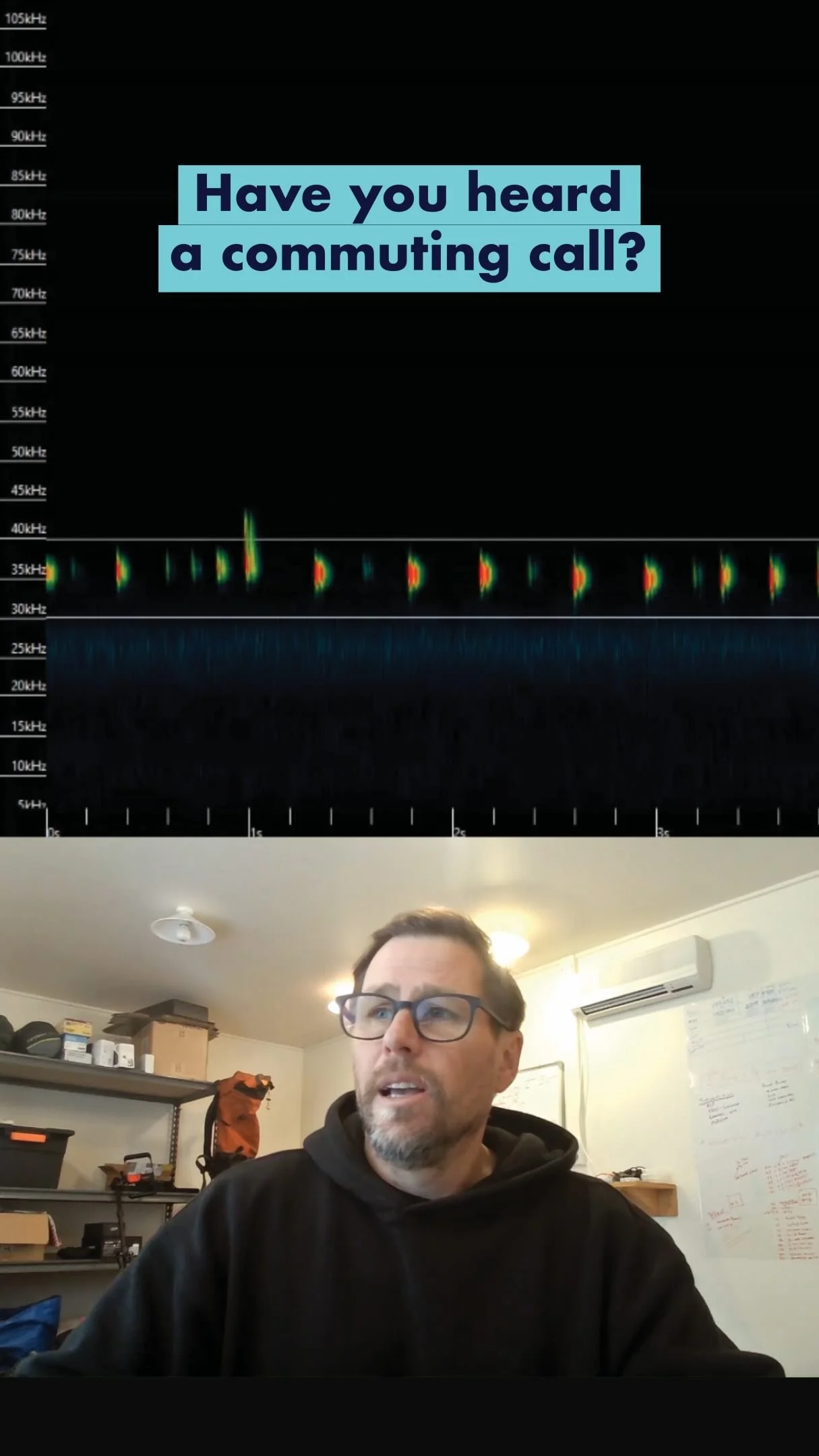
- Commuting
- Social
Expert on the ground
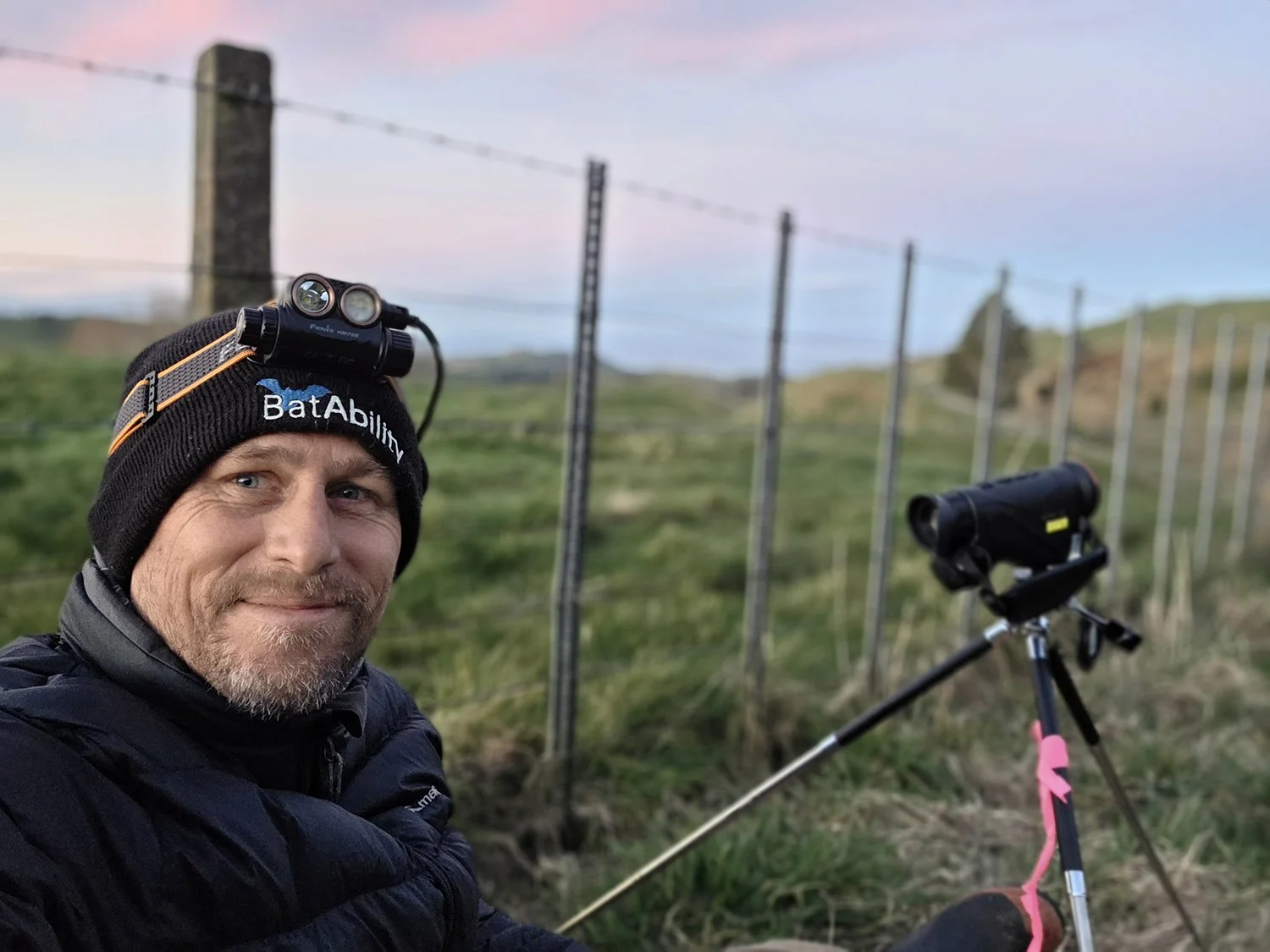
Mark Roper
Founder of The Bat Co. Lab and Senior Ecologist
With more than 20 years of experience across freshwater, fish and bat ecology, Mark brings deep ecological expertise to every project. His work combines scientific rigour, practical field experience and a commitment to building better knowledge and outcomes for bats across Aotearoa.
Through The Bat Co Lab, Mark combines specialist consultancy with practical tools and innovative approaches to bat monitoring. He is also passionate about making ecological knowledge more accessible and creating opportunities for communities to contribute to bat conservation.
Our project partners
With thanks
We would like to extend our sincere thanks to the Phillips family for generously allowing us access to their land as part of the Rowe Bush Project. Their support and willingness to host our bat detectors has helped make this important monitoring work possible, contributing valuable information to our understanding of the bats that call this landscape home.
We are incredibly grateful to have their support in helping us learn more about and protect these unique species.
Support bat conservation in action
Support from our community helps turn bat conservation into real, measurable action. Donations fund fieldwork, detector deployment, rapid data analysis, and community-led projects that improve understanding of bat populations and the environments they depend on. Every contribution directly supports practical, science-led work on the ground.
Want to get involved?
Do you live within the project area? Interested in having bat detectors placed on your property? Help us uncover more about the bats living in your local area.
Support the project and help make this research possible. Your sponsorship goes towards the time, expertise and fieldwork needed to monitor and protect our local bat populations.
Follow our journey.