
Frequently asked questions
FAQs
Find quick answers to common questions about our projects, groups, bat surveying updates, and more. If you don’t see what you’re looking for feel free to get in touch, we’re here to help.
-
We bring together bat enthusiasts, conservationists, ecology experts, and clients conducting ecological assessments to monitor bat activity across New Zealand. Using our high-quality, affordable bat detectors and digital Bat Packs, anyone can participate, from curious beginners to professional ecologists.
-
Anyone! Whether you're a family exploring nature, a school group, a researcher, or a professional consultant, we offer tools suited to your needs. No prior experience in bat ecology is required.
-
No. You can create one account and upload all of your detector results via the BTO desktop app, to get a summary of collective results. Nice and easy!
-
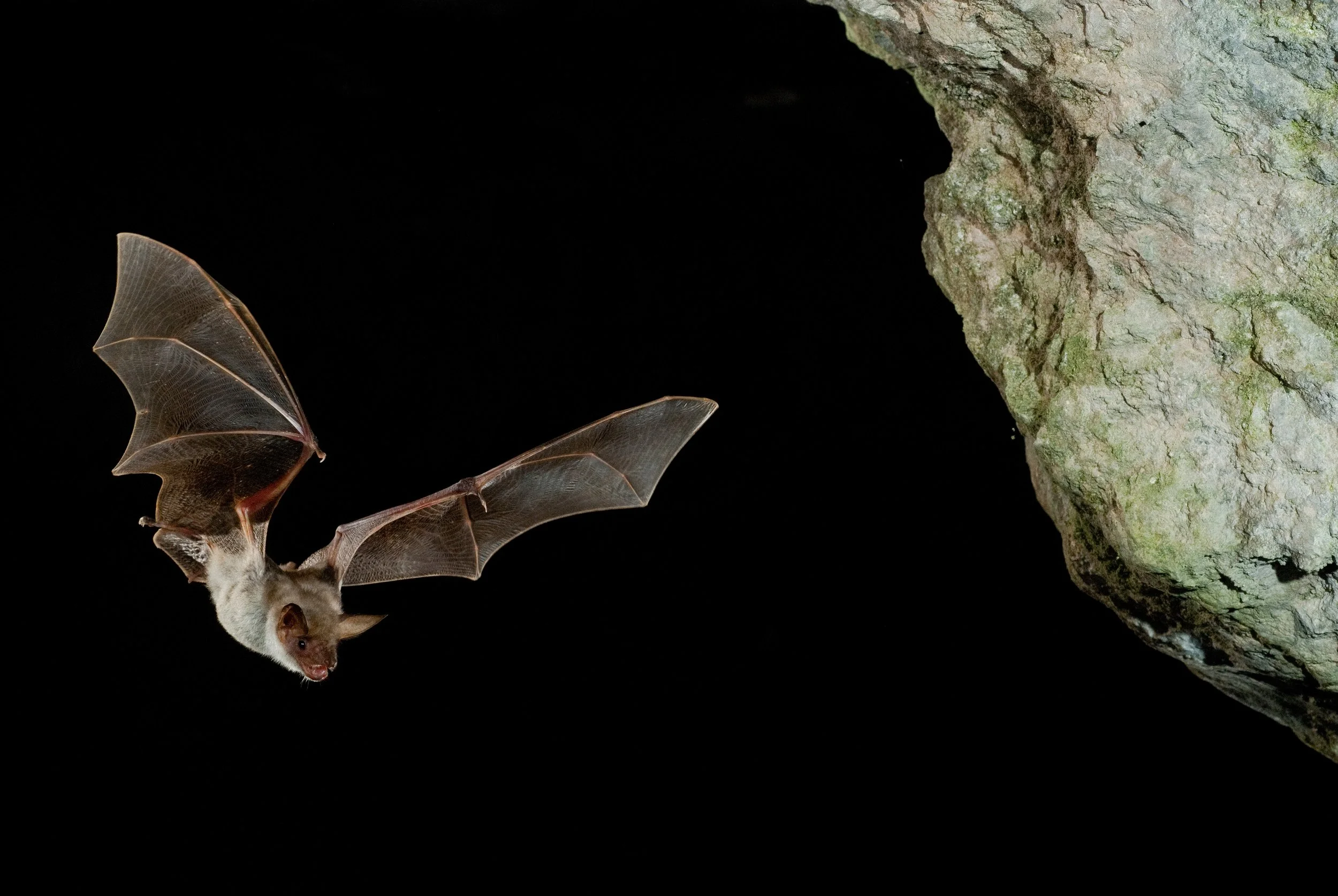
New Zealand is home to three species of endemic bats (pekapeka), our only native land mammals. These fascinating nocturnal creatures are shy, elusive, and play a vital role in our ecosystems, but are also at serious risk of extinction.
Long-tailed bat (Chalinolobus tuberculatus)
Status:Nationally Critical.
The long-tailed bat is the species you’re most likely to detect. It is widespread across both the North and South Islands, and can also be found on offshore islands such as Rakiura/Stewart Island, Little Barrier Island, and Kāpiti Island. It has been recorded in urban areas, including parts of Auckland, Hamilton, and Rotorua.
Habitat: Roosts in old hollow trees and forages along bush edges, roadsides, and forest gaps.
Behaviour: Flies fast and erratically, emerging around dusk. It covers large home ranges, making sightings brief but exciting.
Detecting tip: Look along bush edges or open tracks—places like Talbot Forest in Geraldine are known hotspots.
Lesser short-tailed bat (Mystacina tuberculata)
Status: Subspecies range from Nationally Vulnerable to Recovering.
This ancient and unusual bat is found only in a few places, including Northland, Taranaki, and Whenua Hou/Codfish Island near Rakiura. Unlike most bats, it spends significant time on the forest floor, foraging like a mouse for insects and fruit.
Habitat: Dense native forest, where it roosts in tree cavities and forages under leaf litter.
Behaviour:More reclusive and harder to detect due to its terrestrial habits. It is particularly vulnerable to predators like rats and stoats.
Detecting tip: It may be harder to pick up without long-term monitoring tools like passive detectors in remote bush areas.
Greater short-tailed bat (Mystacina robusta)
Status:Thought to be extinct.
Last known from two islands off Rakiura/Stewart Island, this species hasn't been reliably sighted for over 50 years. Although occasional reports emerge, it is likely extinct. Conservationists continue to hold hope for rediscovery, but none have yet confirmed its survival.
-
Yes! For those who are starting out in detecting, your back yard can be a good place to begin. Bats are attracted to more mature trees, especially natives such as pūriri and tōtara. You may not detect activity every night, so try over a period of time and if nothing appears, you might want to try another local, safe area to detect from.
-
If you live in an area where bats are present, you can take simple steps to make your garden a welcoming and safe space for them. Here’s how to help support these unique native mammals:
Create a safe environment:
Control pests: Eradicate pests like rats, which can harm bats and disturb their roosts.
Keep cats indoors at night: Domestic cats are natural hunters and can pose a serious threat to bats, especially when they’re emerging from roosts or foraging low to the ground.
Support natural roosting sites:
Plant native trees: Choose species with gnarly bark and natural hollows, such as:
Pūriri (Vitex lucens)
Tōtara (Podocarpus totara)
Pukatea (Laurelia novae-zelandiae)
Cabbage trees (Cordyline australis) – bats often roost in their hollows.
Remove invasive weeds: Clear out aggressive species like moth plant and climbing asparagus, which can choke large trees and reduce suitable roosting spots.
Install Bat Boxes:
Add roost boxes to your property: These can provide artificial shelter, especially where natural roost sites are limited.
Install carefully: Bats prefer roosts that are high up in mature trees, so height and location matter for success.
By taking these actions, you can turn your garden into a mini haven for bats, contributing to their conservation while enjoying their quiet, nocturnal presence.
-
Follow our QRG for assistance on uploading your recordings to the BTO platform, where they will be automatically and rapidly processed to provide you with detailed insights within 48 hours, delivered straight. toyour inboc.
-
Yes, absolutely. For those using the Apodemus Pipistrelle Mini Detector, you can listen to your surroundings using 3.5mm jack headphones, or record on to your phone using the FREE Bat Detector app. If you’d like personalised insights into your findings or to formally take part in our National Bat Survey, the Bat Pack data subscription unlocks data uploading to our partnered BTO platform, which rapidly analyses your recordings, provides detailed insights and gives you access to the interactive survey map, adding much more value to your experience. For those purchasing an Apodemus Pipistrelle Mini Detector, you’ll receive 25GB of data FREE.
-
Yes, if you need help determining how many detectors or Bat Packs you need, have issues with uploading, or general queries about your detectors, please contact us for assistance.
-
Apodemus Pipistrelle Mini:
2 years for manufacturing faults. This warranty does not cover moisture damage or external mechanical damage.
-
Shipping is free on all orders, and is available within New Zealand only. All orders come with a money-back guarantee. If you're not satisfied, please reach out for a refund or replacement.
Still need help?
Stay in the loop
